Students, educators, and parents have faced numerous challenges as a result of the COVID-19 pandemic. Children who are already coping with mental health issues have been particularly vulnerable to the changes, and we are now learning about the wide-ranging effects on students as a result of school closures, physical distancing guidelines and isolation, and other unexpected life changes.
Corona pandemic has affected every aspect of human life including children. Whether it’s the mental health, physical health or a combination of both – the children have had their own share of health problems during this pandemic phase.
Effects on Student’s Mental Health
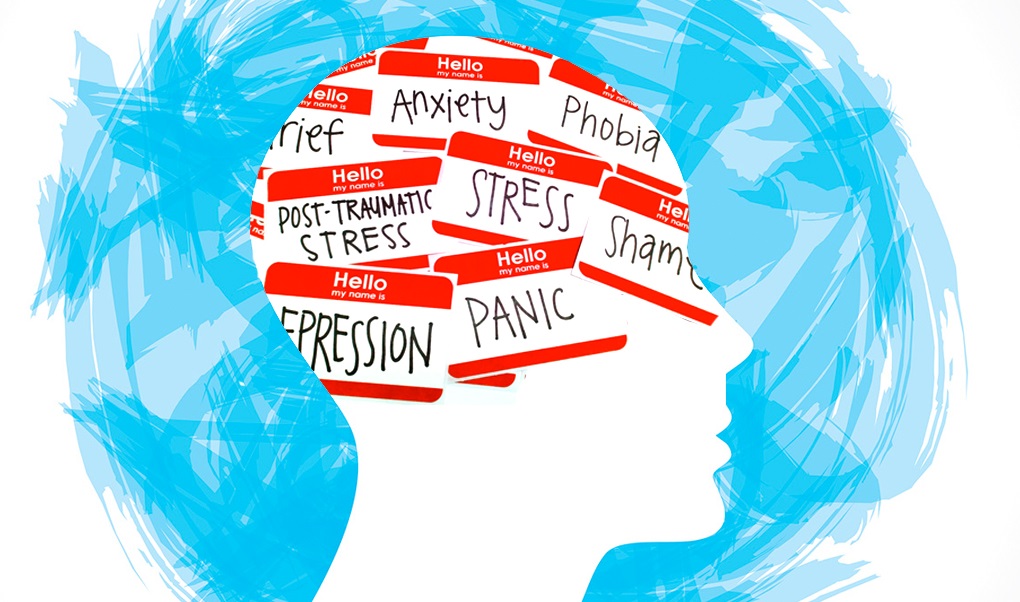
Mental health includes our emotional, psychological, and social well-being. It affects how we think, feel, and act. Research during the pandemic points to concerns around poor mental health and well-being for children and their parents, particularly mothers, as many are experiencing challenges with school closures and lack of childcare. Many students may be facing increased levels of stress, anxiety and depression, and insomnia.
Stress
High school students are experiencing rising stress levels and lower engagement with learning since the start of the COVID-19 pandemic, according to a new study by NBC News and Challenge Success.
Kids feel that “they are more stressed than they were before the pandemic, they have more work, they are less engaged in school, and their relationships with teachers and [other] kids are strained.
In addition to grades, workload and time management, the study found that one of the top sources of stress for students was lack of sleep.
Anxiety and Depression
Anxiety and depression are two of the most common obstacles teens and young adults face and it’s beginning to take a serious toll in the classroom.
When students have anxiety and depression that goes unnoticed their mental health is at risk, which can lead to social and behavioral problems, poor performance and learning, neglected hygiene, poor self care practices and low self esteem.
The study found that anxious individuals find it harder to avoid distractions and take more time to turn their attention from one task to the next than their less anxious peers.
Many factors increase the risk of developing or triggering teen depression, including: Having issues that negatively impact self-esteem, such as obesity, peer problems, long-term bullying or academic problems.
Effects on Student’s Physical Health

Weaker body, higher levels of stress and internet addiction are just some of the “negative physical and mental health impacts” of distance learning on students.
Students may experience health concerns related to increased screen time, such as fatigue, headache, lack of motivation, avoidance/procrastination, among others.
Fatigue
This condition appeared as a consequence of overusing the digital tools in the learning process, causing a feeling of saturation that can lead to burnout.
Headache
When looking at screens, people don’t blink as often while focusing on something at the same distance for a long time, doctors say. This can cause blurry vision as the muscles around the eye begin to wear out, causing headaches down the road.
Effects on Student’s Relationship

The pandemic continues to dramatically affect our lives, including our relationships with other people in our communities, our families, our homes and our workplaces.
Relationship With Family
Ten Things You Can Do for Your Mental Health
The COVID-19 pandemic has uniquely affected children and families by disrupting routines, changing relationships and roles, and altering usual child care, school and recreational activities.
1. Value yourself:
Treat yourself with kindness and respect, and avoid self-criticism. Make time for your hobbies and favorite projects, or broaden your horizons. Do a daily crossword puzzle, plant a garden, take dance lessons, learn to play an instrument or become fluent in another language.
2. Take care of your body:
Taking care of yourself physically can improve your mental health. Be sure to:
- Eat nutritious meals
- Avoid smoking and vaping– see Cessation Help
- Drink plenty of water
- Exercise, which helps decrease depression and anxiety and improve moods
- Get enough sleep. Researchers believe that lack of sleep contributes to a high rate of depression in college students.
3. Surround yourself with good people:
People with strong family or social connections are generally healthier than those who lack a support network. Make plans with supportive family members and friends, or seek out activities where you can meet new people, such as a club, class or support group.
4. Give yourself:
Volunteer your time and energy to help someone else. You’ll feel good about doing something tangible to help someone in need — and it’s a great way to meet new people. See Fun and Cheap Things to do in Ann Arbor for ideas.
5. Learn how to deal with stress:
Like it or not, stress is a part of life. Practice good coping skills: Try One-Minute Stress Strategies, do Tai Chi, exercise, take a nature walk, play with your pet or try journal writing as a stress reducer. Also, remember to smile and see the humor in life. Research shows that laughter can boost your immune system, ease pain, relax your body and reduce stress.
6. Quiet your mind:
Try meditating, Mindfulness and/or prayer. Relaxation exercises and prayer can improve your state of mind and outlook on life. In fact, research shows that meditation may help you feel calm and enhance the effects of therapy. To get connected, see spiritual resources on Personal Well-being for Students
7. Set realistic goals:
Decide what you want to achieve academically, professionally and personally, and write down the steps you need to realize your goals. Aim high, but be realistic and don’t over-schedule. You’ll enjoy a tremendous sense of accomplishment and self-worth as you progress toward your goal. Wellness Coaching, free to U-M students, can help you develop goals and stay on track.
8. Break up the monotony:
Although our routines make us more efficient and enhance our feelings of security and safety, a little change of pace can perk up a tedious schedule. Alter your jogging route, plan a road-trip, take a walk in a different park, hang some new pictures or try a new restaurant. See Rejuvenation 101 for more ideas.
9. Avoid alcohol and other drugs:
Keep alcohol use to a minimum and avoid other drugs. Sometimes people use alcohol and other drugs to “self-medicate” but in reality, alcohol and other drugs only aggravate problems. For more information, see Alcohol and Other Drugs.
10. Get help when you need it:
Seeking help is a sign of strength — not a weakness. And it is important to remember that treatment is effective. People who get appropriate care can recover from mental illness and addiction and lead full, rewarding lives.
Take Care of Your Body
- Eat a healthy, balanced diet with lots of vegetables and fruit.
- Keep your immunizations up-to-date.
- Don’t use tobacco, vape products, alcohol, or drugs.
- Exercise as often as you can.
- Stay aware of your emotions and moods.
- Get enough sleep.
- Wear proper protection at home, work, or play.
 Mike Laurence Betala